
Why First-Time Customers Don't Come Back (And How to Fix It)
The Visit Was Great. So Why Did They Never Return?
Why first-time customers don't come back is one of the most common questions local business owners quietly wrestle with. The service was friendly. The price was fair. And yet, that customer you served on a Tuesday afternoon has not been seen since.
It is not always about quality. Most of the time, it is about what happens, or more precisely, what does not happen, in the hours and days after that first visit.
The Forgetting Curve Is Real
Here is an uncomfortable truth about human memory: we forget fast. Psychologist Hermann Ebbinghaus mapped this out over a century ago, and his findings still hold. Without any reinforcement after an experience, most of the emotional impression fades within 24 to 48 hours.
A customer who loved their first visit to your cafe will, within two days, have mentally filed it under "nice place, should go back sometime." That intention is genuine. But intention without a trigger rarely becomes action. Life gets busy, habits reassert themselves, and the familiar wins out over the new.
This is why first-time customers don't come back at the rate businesses expect. It is not indifference. It is simply that nothing pulled them back before the memory faded.
What Is Actually Happening After a First Visit
There are a few specific reasons the second visit never materializes, and understanding them points directly to the fix.
No reason to return right now. A one-time transaction has no built-in next step. The customers enjoyed themselves, but there is nothing waiting for them if they return. No progress, no reward, no unfinished story.
No connection was formed. Connection does not have to mean a long conversation. It can be as small as being remembered, having your name known, or feeling like a business noticed you were there. Without that, the customer remains a stranger, and strangers drift.
The familiar is easier. Whatever cafe, barbershop, or bakery they went to before you is still there, already a habit, already known. Switching default habits requires a nudge. Without one, people slide back to what they already know.
Nothing reminded them of you. Out of sight, out of mind is not a cliche, it is a neurological fact. If a business makes no contact between the first and second visit, it is competing with silence against every other business, habit, and distraction in a customer's life.
How to Fix It: Give the First Visit a Sequel
The good news is that solving this does not require a big marketing budget or a complicated strategy. It requires building a simple structure that turns a first visit into the beginning of something, rather than a standalone event.
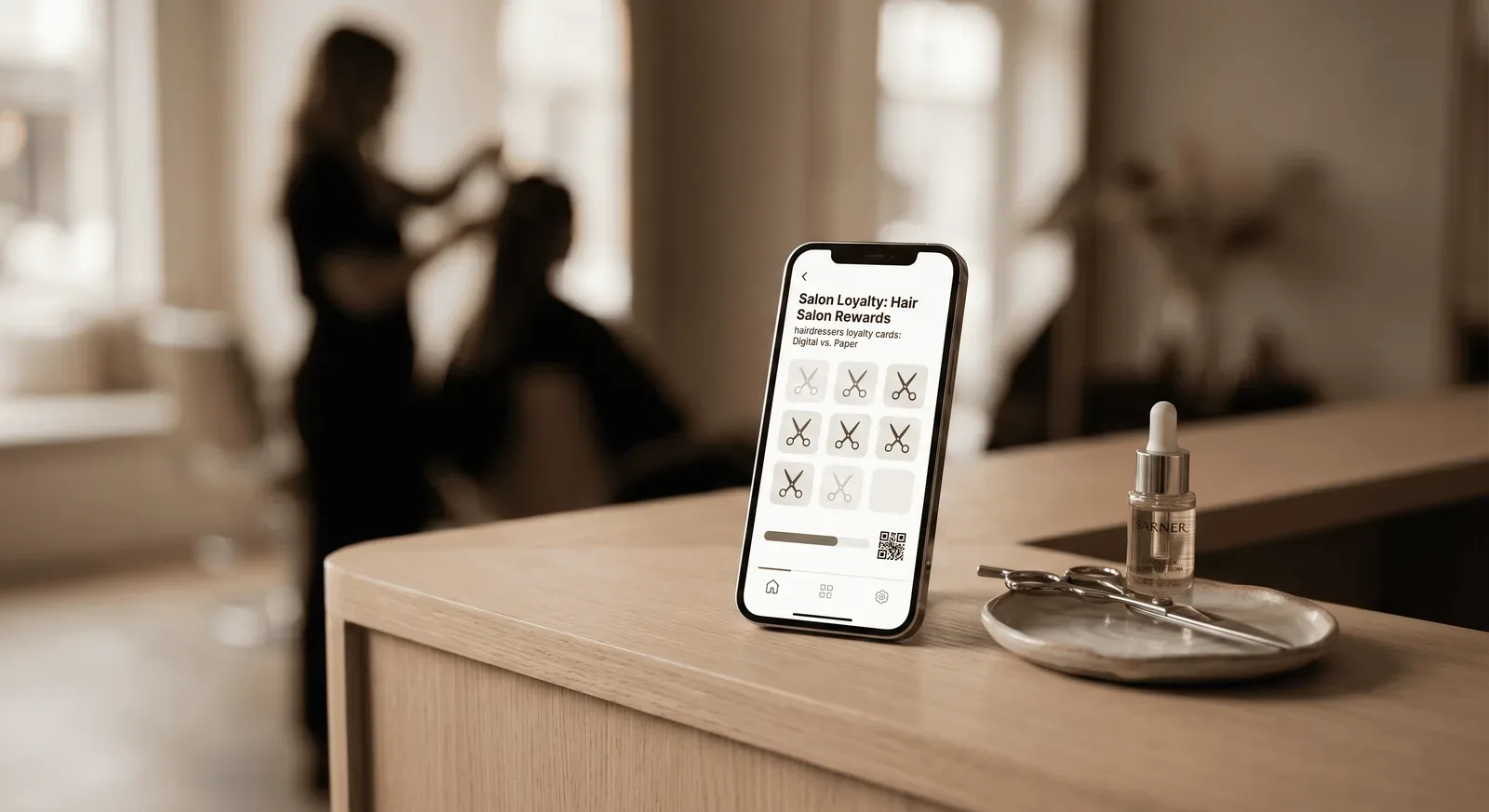
Give them a reason to come back before they leave. This is the single most effective thing a business can do. When a customer joins a digital loyalty program at the point of their first visit, they leave with progress already started. They are one stamp closer to a reward. That unfinished progress is a psychological hook. It creates a reason to return that did not exist before.
This is exactly why first-time customers don't come back when there is no loyalty touchpoint at the first visit. There is no open loop to close.
Make the first visit feel personal. A simple "welcome, glad you came in" message through a digital loyalty platform, triggered after a first visit, does something powerful. It signals that the business noticed. That the customer was not just another transaction. Personalisation at this scale is now easy with the right tools, and its effect on return rates is significant.
Reduce the friction of coming back. The second visit should feel like continuing something, not starting over. A digital loyalty card that a customer can check at any moment keeps your business present in their daily life between visits. Every time they glance at their progress, your business gets a mental impression without spending a penny.
Create a moment worth sharing. The most effective customer acquisition strategy is still word of mouth, and loyal customers are your best source of it. When someone returns for a second or third visit, they start to self-identify as a regular. Regulars recommend. The fix for first-time customer drop-off eventually becomes your growth engine.
The Window Is Short
Most businesses lose the potential for a second visit within the first 72 hours after the first one. That is the window in which reinforcement matters most, when the memory is still warm, the experience is still positive, and the customer is still open to forming a new habit.
A digital loyalty program, set up well, works inside that window automatically. The customer joins, they get a nudge when they are close to a reward, and the business stays present without any manual effort.
Understanding why first-time customers don't come back is only half the answer. The other half is putting something in place at the moment they walk out the door that gives them a concrete, personal reason to walk back in.
Small Change, Big Difference
Turning a one-time visitor into a regular is rarely about dramatic reinvention. It is usually about adding one small, intentional step to an existing process. A loyalty program at the point of first contact is that step.
The customers are already coming in. The experience is already good. What most local businesses are missing is the bridge between visit one and visit two. Build that bridge, and the third, fourth, and fifth visits tend to follow.
Kult Cards makes it easy for local businesses to capture first-time customers before they walk out the door. No app download required for customers. No complicated setup for you.
Enjoyed the read?
More guides, product updates and stories from Kult Cards.