
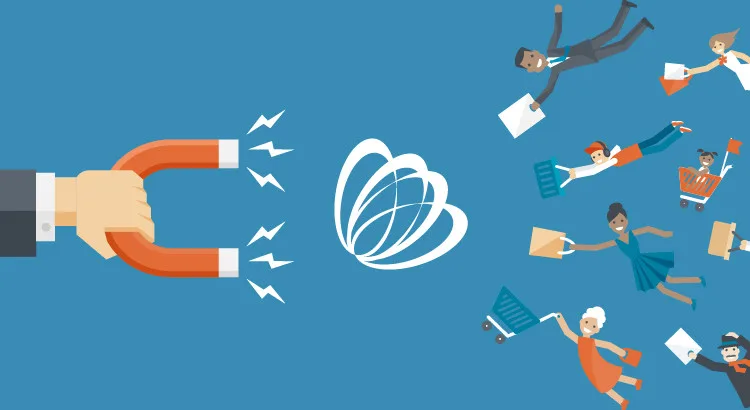
Returning Is Usually a Habit, Not a Big Decision
Customers rarely return because of one big reason. More often, they return because a business gives them several small reasons to choose it again.
A good experience matters. So do quality, price and convenience. But even a satisfied customer can forget about a business when there is no reason to think about it after leaving.
This is where loyalty programs make a difference. They keep the relationship active between visits. A digital stamp, a growing points balance or a reward that is getting closer gives the customer a simple reason to return.
The strongest loyalty programs do not pressure people into buying. They work with natural customer behaviour. They make progress visible, rewards achievable and returning easy.
Progress Gives People a Reason to Continue
People are more likely to complete something when they can see that they have already made progress.
Imagine that a customer needs six stamps to receive a free coffee. After collecting the first stamp, the reward no longer feels like a distant idea. The customer has started. After four stamps, stopping feels like leaving something unfinished.
The value is not only in the final reward. The progress itself creates motivation.
This is why a clear and simple loyalty program often works better than one with complicated rules. Customers should immediately understand what they are collecting, how close they are to the reward and what they will receive.
A digital card makes that progress easy to follow. Instead of searching for a paper card or trying to remember how many visits are left, the customer can see everything directly in their phone wallet.
Small Rewards Can Influence the Next Choice
Customers make small decisions every day. Which cafe should they visit? Where should they book their next appointment? Which shop should they choose when several options offer something similar?
A loyalty reward can make that decision easier.
If one business offers no additional reason to return while another has already given the customer three stamps toward a reward, the second business has an advantage. The customer is not only comparing two products or services. The customer is also thinking about the progress already made.
The reward does not need to be expensive. It needs to feel relevant and achievable. A free item, a discount, a useful upgrade or a special benefit can be enough to influence the next visit.
The goal is not to give away as much as possible. The goal is to offer something customers genuinely value without making the program difficult for the business to maintain.
Repetition Turns Visits Into Habits
The first visit may happen because of curiosity, convenience or a recommendation. Repeated visits happen when choosing the same business becomes familiar.
Loyalty programs support this repetition. Every visit moves the customer closer to something. That gives the next visit a purpose and makes the choice feel easier.
Over time, returning can become part of the customer's routine. The customer stops asking, "Where should I go today?" and starts choosing the familiar business automatically.
This matters because habits reduce the number of decisions a customer needs to make. A cafe becomes the usual morning stop. A salon becomes the regular choice. A store becomes the first place to check.
The loyalty program may begin the pattern, but the business still needs to earn the relationship through good service and a consistent experience. Rewards can encourage another visit. Quality is what makes customers want to continue.
Recognition Makes Loyalty Feel Personal
Customers want to feel that their repeated visits matter.
A loyalty program creates a simple form of recognition. Each stamp, point or reward shows that the business notices and values the customer's return.
This does not require complicated personalisation. Even a clear message such as "You are one visit away from your reward" can make the experience feel more relevant. It connects the message to something the customer has already done.
Recognition is especially important for local businesses. Customers often have many similar options nearby. A business that remembers the relationship and rewards repeat visits can feel more personal than one that treats every visit as the first.
That feeling can become a meaningful advantage. Customers are more likely to return to places where they feel known, appreciated and included.
Ease Matters as Much as the Reward
A loyalty program can have an attractive reward and still fail if using it is inconvenient.
If customers need to download another app, create an account, remember a password or carry a separate plastic card, many will stop before joining. Every additional step creates another opportunity to lose interest.
The experience should be simple from the beginning. Customers should be able to join quickly, store the card somewhere familiar and use it without thinking about the process.
Kult Cards places digital loyalty cards in Apple Wallet or Google Wallet. Customers do not need to download a separate app or complete a long registration process. Their card stays on the phone they already carry every day.
This convenience supports repeat use. When the card is easy to find and the progress is easy to understand, the loyalty program becomes part of the visit instead of an extra task.
Visibility Keeps the Business in Mind
One of the biggest challenges for any business is being remembered at the right moment.
A customer may have enjoyed the experience and fully intended to return. Then life becomes busy. Other businesses appear. The original visit slowly moves out of mind.
A digital loyalty card gives the business a continued presence on the customer's phone. It can also create opportunities for relevant updates and reminders when there is a genuine reason to reconnect.
The key is relevance. Constant messages can become noise. A useful reminder about available points, an approaching reward or a limited benefit connected to the customer's card has a clear purpose.
The business stays visible without asking the customer to begin the relationship again each time.
The Best Loyalty Programs Feel Simple
Customers should not need instructions to understand a loyalty program.
The strongest programs answer three questions immediately:
What do I receive?
What do I need to do?
How close am I to earning it?
When those answers are clear, participation feels natural. When the rules are confusing, the reward feels distant and customers lose interest.
A cafe might offer one digital stamp with every coffee and a free reward after six purchases. A salon might offer points for each appointment that can later be used for a service benefit. A retailer might send a digital coupon to returning customers.
Different businesses need different programs, but the principle remains the same: make the value clear, make progress visible and make the reward worth returning for.
Loyalty Is Built One Return Visit at a Time
Loyalty is not created by a card alone. It is created through repeated positive experiences.
The role of a loyalty program is to support those experiences. It gives customers a reason to take the next step, makes their progress visible and shows that their return is valued.
That is why loyalty programs can be so effective. They connect a future reward with a decision the customer is already making today.
For the business, each return visit creates another opportunity to strengthen the relationship. For the customer, each visit feels like progress rather than another isolated purchase.
When the program is simple, useful and easy to access, returning becomes the natural choice.
Give customers a clear reason to come back. Start your free 14-day Kult Cards trial at kult.cards
No setup fees and no separate app required for customers.
Enjoyed the read?
More guides, product updates and stories from Kult Cards.