
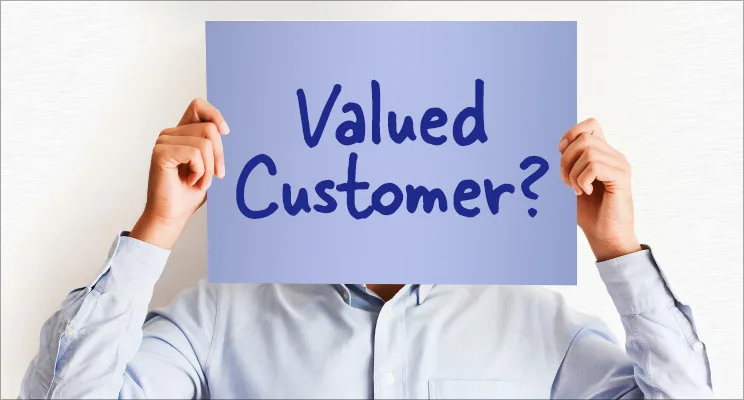
Loyalty Is Not Built in Grand Gestures. It Is Built in Small Ones.
The customers who stay with a business for years rarely do so because of a single exceptional experience. They stay because of an accumulation of small moments, a name remembered, a preference noted, a birthday acknowledged, a quiet Tuesday when the business reached out just to say hello. None of these moments is dramatic on its own. Together, they build something that no competitor can easily replicate: the feeling of being known.
What makes a customer feel valued is not complicated. It does not require a large budget, a dedicated team, or a sophisticated CRM system. It requires attention and the right tools to express that attention consistently, at scale, without demanding more time than a busy local business owner can give.
Being Remembered
The most fundamental thing a business can do to make a customer feel valued is to remember them. Their name, their usual order, the fact that they mentioned a holiday last time they came in.
This kind of memory used to happen naturally in small-town businesses where the owner served the same fifty customers every week. It becomes harder as a business grows, as staff turn over, and as the number of customers multiplies beyond what any single person can track.
A loyalty program does not replace the personal memory of a great staff member. But it creates the infrastructure for recognition to happen consistently. A customer whose birthday is in the system receives a birthday message automatically, not because someone remembered, but because the system ensured it happened. A customer who reaches their fiftieth visit receives a milestone notification.
The customer does not know the difference. What they feel is the same: this business knows me. And that feeling is the foundation of everything else.
The Birthday Moment
Of all the loyalty touchpoints available to a local business, the birthday reward is the one that produces the strongest and most consistent emotional response. Not because the reward itself is particularly valuable, a free coffee, a complimentary treatment, a discount on a next visit, but because of what it signals.
A birthday message from a business says: we know when your birthday is, we thought about you today, and we wanted to mark the occasion. For most customers, receiving this from a local business feels genuinely surprising and genuinely warm. It is not expected. It is not impersonal. It arrives at a moment when the customer is already thinking about being celebrated and it makes them feel, briefly but memorably, that the business they chose to be loyal to chose them back.
The businesses that send birthday rewards consistently report it as one of the highest-engagement features of their loyalty program, not just in terms of redemption, but in terms of the conversations it starts. Customers mention it. They tell friends. They feel, in a way that is hard to manufacture through any other channel, genuinely appreciated.
Acknowledging Progress and Milestones
Every customer who has been coming to a business for months or years has a story with that business, a history of visits, of choices, of moments that accumulated into a relationship. Most businesses never acknowledge that history. The customer continues to visit, continues to spend, and receives no signal that their consistency has been noticed.
A milestone notification changes that. A message that says "this is your hundredth visit and we wanted to say thank you" does something that no promotional offer can do: it treats the customer as a person with a history, not just a transaction with a balance.
The specific milestone does not need to be a round number. A one-year anniversary. A tenth reward earned. The first time a customer brings a friend through a referral. Any of these moments is an opportunity to acknowledge a relationship that the customer has been investing in and to make that investment feel seen and appreciated.
These moments cost almost nothing to deliver. But their impact on how a customer feels about a business and how likely they are to continue coming, to refer others, and to resist the inevitable overtures from competitors is disproportionate to their cost.
The Unexpected Gesture
Satisfaction is meeting expectations. Loyalty is exceeding them and exceeding them in a way that feels personal rather than promotional.
A push notification that arrives on a quiet Tuesday with a surprise offer with an unexpected bonus for members who have been visiting consistently produces a different emotional response than a scheduled promotion. It feels like a gift. And gifts, however small, are remembered in a way that discounts are not.
The businesses that build the deepest customer loyalty are often the ones that find small ways to surprise their regulars. A free upgrade offered without being asked. An extra stamp added as a thank-you for waiting during a busy period. A message sent to acknowledge that a customer has not been in for a while with a genuine "we noticed, and we hope you are well."
None of these gestures is expensive. All of them are memorable. And memorable gestures are what turn a satisfied customer into a loyal one, and a loyal customer into an advocate.
Feeling Like an Insider
One of the most powerful dimensions of feeling valued is the sense of belonging, the feeling of being part of something, of being on the inside rather than the outside. Customers who feel like insiders do not just visit a business. They identify with it. They talk about it in the first person like "my cafe," "my barber," "my gym."
A loyalty program creates this insider feeling in several ways. A tiered discount card that carries a Silver, Gold, or Platinum designation makes the customer's status visible, they are a Gold member. A members-only offer that is not available to walk-ins creates a distinction that insiders appreciate. An early access push notification "this is just for our loyalty members" signals that the customer is part of a group the business values enough to communicate with differently.
These signals are small. But they accumulate into an identity, the identity of a regular, of someone who belongs here, of a customer who is known and valued in a way that a first-time visitor is not.
Personalisation at Every Touchpoint
What makes a customer feel valued, at its core, is personalisation, the sense that a communication, a gesture, or a reward was designed with them in mind rather than broadcast to everyone on a list.
A push notification that references a customer's progress "you are two stamps away" is personalised. A birthday message that arrives on the right day is personalised. A geo-notification that surfaces a loyalty card when a customer is nearby is, for the customer, a moment that feels relevant rather than random.
None of these require knowing a customer's name or their life story. They require a loyalty program that captures the right data, visit history, birthday, proximity and uses it to communicate in ways that feel timely and relevant rather than generic and scheduled.
The businesses that do this well do not feel like marketing machines to their customers. They feel like businesses that pay attention. And paying attention, consistently and at scale, is what makes a customer feel valued which is what makes them loyal.
The Compound Effect of Small Moments
What builds loyalty is the compound effect of many small moments, each of which adds a small increment of warmth, recognition, and trust to a relationship that deepens over time.
A birthday message. A milestone acknowledgment. A surprise reward on a quiet Tuesday. A geo-notification that feels like a tap on the shoulder from a familiar place. A push notification that arrives at the right moment with the right message. Each of these is small. Together, they are the architecture of a customer relationship that lasts years rather than weeks.
The businesses that understand that loyalty is not a program but a practice and a special feeling are the ones that build the kind of customer base that sustains growth through slow seasons, competition, and change.
What makes a customer feel valued is not complicated. It is the consistent, genuine, small act of paying attention and having the tools to express that attention in ways that reach every customer, at every meaningful moment, without requiring every moment to be managed by hand.
Make every customer feel valued, automatically. Free 14-day trial at kult.cards
Enjoyed the read?
More guides, product updates and stories from Kult Cards.