The Message Is Only as Good as the Words Inside It
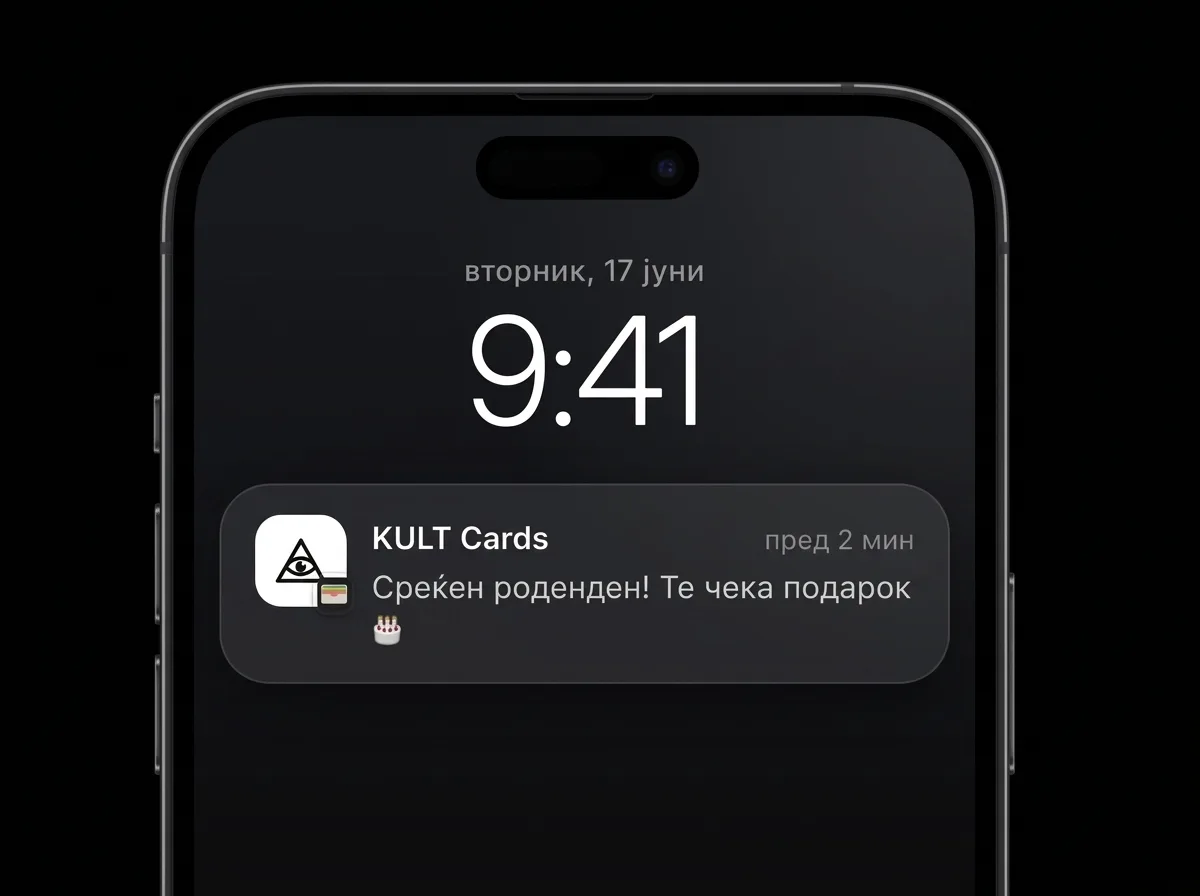
A push notification that lands on a customer's lock screen has a fraction of a second to earn attention before it is dismissed or ignored. The channel is powerful, direct, immediate, trusted but it does not do the work on its own. The words inside the message are what determine whether a customer glances at their phone, feels something, and decides to visit. Or does not.
How to write a push notification that gets customers back through the door is one of the most practical skills a local business owner can develop, and it is simpler than most people assume. It does not require copywriting expertise or marketing experience. It requires understanding a few principles that separate the messages that convert from the ones that get swiped away.
The One Rule That Overrides Everything Else
Before any specific advice about structure or wording, there is one rule that matters more than any other: write for the reader, not for the business.
A push notification written for the business tells the customer what the business wants them to know. A push notification written for the reader tells the customer something that is useful, relevant, or genuinely appealing to them specifically.
"We are running a promotion this week" is written for the business. "You are one stamp away from your free coffee" is written for the reader. The first tells the customer about the business's agenda. The second tells the customer something that is immediately relevant to them and gives them a specific reason to act.
Every push notification should pass this test before it is sent: does this tell the customer something they would genuinely want to know, or does it tell them something the business wants them to hear? The two are not always the same, and the ones that are the same are the ones that convert.
Lead With the Benefit, Not the Business
The opening words of a push notification are the most important. They are what the customer reads in the moment of decision before they have decided whether the message is worth their attention. If the first words do not immediately signal something of value to the customer, the message is already lost.
Bad: "Visit us this week for a special offer." Better: "Your free coffee is one stamp away."
Bad: "We have a new seasonal menu." Better: "New autumn menu just landed your loyalty stamps are waiting."
Bad: "Don't miss our Valentine's promotion." Better: "Treat yourself this Valentine's your reward is ready to redeem."
The pattern is consistent: start with what the customer gets, not with what the business is doing. The business's agenda is implicit in the message the customer does not need it stated before they have been given a reason to care.
Be Specific. Vague Messages Get Ignored.
Specificity is one of the most reliable drivers of push notification performance. A specific message tells the customer exactly what is available, exactly why now is the right time, and exactly what they need to do. A vague message leaves too much to interpretation and too little reason to act.
Vague: "Come in for something special this week." Specific: "Free pastry with any hot drink today and tomorrow only."
Vague: "We miss you, come back soon." Specific: "It has been three weeks and your stamps are still waiting. Come in before Friday."
Vague: "Check out our new offers." Specific: "Double stamps on every visit this week. Ends Sunday."
Specificity works because it removes friction. The customer does not have to wonder what the offer is, whether it applies to them, or how long they have. All of that is answered in the message itself, which makes the decision to act immediate rather than deferred.
Create Urgency Without Being Pushy
Urgency is one of the most effective drivers of action in any communication, but it works best when it is genuine rather than manufactured. A deadline that is real motivates action. A deadline that feels artificial or exaggerated trains customers to ignore it.
Real urgency: "Double stamps end Sunday." Real urgency: "Only today free upgrade on any treatment." Real urgency: "Last week to redeem your birthday reward."
Manufactured urgency: "Act now before it is too late." Manufactured urgency: "Limited time only, do not miss out."
The difference is specificity again. A specific deadline such as Sunday, today, this week feels real and motivating. A vague urgency signal "limited time," "act now" feels like marketing language and produces the opposite of urgency: dismissal.
Match the Tone to the Relationship
A push notification is a message from a business to a customer who chose to be in a loyalty program with that business. It is not a cold marketing message to a stranger. The tone should reflect that warm, direct, and personal rather than formal, promotional, or generic.
Too formal: "We would like to inform you of a special promotion available to loyalty members this week." Too generic: "Special offer inside, click to find out more." Right tone: "Your stamps are waiting, so come in this week and we will take care of the rest."
The right tone for most local businesses is conversational and warm, the way a staff member would mention something to a regular customer at the counter. Not over-familiar, not corporate. Just human.
The Anatomy of a Push Notification That Works
A high-converting push notification for a local loyalty program typically has three elements, in this order:
The hook is the opening line that earns attention. Ideally one sentence that immediately signals value to the customer. "One stamp away from your free coffee." "Your birthday reward is waiting." "Double stamps end this Sunday."
The context is that one short line that adds the detail the customer needs to act. "Come in any time this week." "Valid on all treatments." "Just show your loyalty card at the counter."
The close (optional) is a warm, brief closing that reinforces the relationship. "See you soon." This is not always necessary, but in longer messages it adds a human touch that generic promotional messages lack.
Total length: most effective push notifications are under 100 characters for the hook and under 200 characters overall. A message that requires scrolling to read in full is already too long.
The Messages That Work Best for Each Loyalty Moment
Different loyalty moments call for different messages. Here are the push notification types that consistently perform best for local businesses using Kult Cards.
Progress nudge: "You are two stamps away from your free [reward]. Come in this week and finish the job."
Reward ready: "Your free reward is waiting, just show your card next time you visit."
Birthday reward: "Happy birthday from all of us, and your birthday treat is ready to redeem."
Quiet day push: "Slow Tuesday? Great day for Double stamps until 6pm."
Seasonal campaign: "Special offer for loyalty members this week only."
Win-back nudge: "It has been a while and your stamps are still there. Come back and pick up where you left off."
Each of these follows the same principles: specific, reader-focused, warm, and with a clear reason to act now rather than later.
A Few Things to Avoid
Avoid sending too often. One to two push notifications a month is the sweet spot for most local businesses. More than that and customers start to tune out. Less and the communication channel loses its impact. Quality and timing matter more than frequency.
Avoid generic language. "Special offer," "exciting news," "do not miss out" are phrases that appear in every promotional message a customer receives. They signal noise rather than signal. Replace them with specific details every time.
Avoid sending the same message repeatedly. A customer who receives the same message three months in a row will stop reading it. Vary the occasion, the offer, and the wording to keep the channel feeling fresh and relevant.
Avoid long messages. A push notification is not an email. It is a moment, a single impression on a lock screen. If the message requires more than two or three lines to communicate, it is trying to do too much. Simplify until the core message is clear in ten words or fewer.
Write the Message You Would Want to Receive
The simplest test for any push notification is the most honest one: if you received this message from a business you were a loyalty member of, would it make you want to visit? Would it feel like something sent by a business that values your custom, or like a generic broadcast that went to everyone on a list?
The businesses that write messages they would want to receive build loyalty communication channels that customers actually look forward to. And a customer who looks forward to hearing from a business is a customer who stays.
Send your first push notification to loyalty members today. Free 14-day trial at kult.cards without setup fees, and special app required for your customers.
Enjoyed the read?
More guides, product updates and stories from Kult Cards.