
Every Business Has a Dead Day. Here Is How to Fix It.
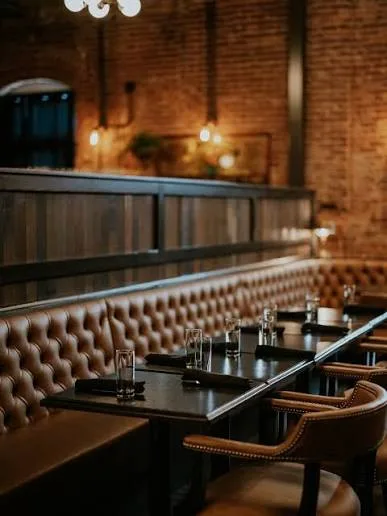
For most local businesses, the pattern is predictable. Friday is busy. Saturday is packed. Sunday is decent. And then Monday or Tuesday arrives and the till is quiet, the staff are underutilised, and the fixed costs of running the business are ticking away regardless.
The slow day is one of the most persistent and expensive challenges in local business operations. Staff are paid. Rent is due. Utilities run. But the customers who fill the business on a Friday are nowhere to be seen on a Tuesday, not because they do not like the business, but because nothing has given them a specific reason to change their habits.
A loyalty program is one of the most effective tools available for shifting customer behavior toward the days when a business needs it most and it does so without discounting, without expensive advertising, and without requiring any significant effort beyond the program that is already running.
Why Customers Cluster on Busy Days
Customer visit patterns are driven largely by habit and convenience. A customer who visits your cafe on Friday morning does so because Friday morning fits their routine, it might be the end of the work week, a standing coffee with a colleague, or simply the day their commute takes them past your door.
Changing that pattern requires a specific reason. Not a vague invitation to "visit any time" a concrete, personally relevant incentive that makes Tuesday feel as compelling as Friday. Without that incentive, the quiet day stays quiet, because the habit that drives visits is attached to a specific day and a specific context.
A push notification sent on Monday evening reaching every loyalty member directly on their lock screen is a direct intervention in that pattern. It does not wait for customers to think of the business on a Tuesday. It puts the business in their mind the evening before, with a specific reason to visit the next day.
The Slow Day Push Notification
The most direct tool for shifting foot traffic to a slow day is a push notification timed and written specifically for that purpose. With Kult Cards, sending this message to every loyalty member takes less than a minute and costs nothing.
The message should be specific, timely, and give customers a concrete reason to visit on the slow day rather than waiting for their usual visit day. A few examples that work well:
"Quiet Tuesday, that means double stamps all day. Come in before 5pm."
"Monday mornings are made for coffee. Your stamps are waiting and the queue is zero."
"We are quieter on Tuesdays which means more time for you. Double stamps this Tuesday only."
Each of these messages does three things: it tells the customer what day to come, it gives them a specific reason to come on that day, and it creates a small urgency that makes acting now more appealing than waiting.
The message should be sent on the evening before the slow day, Monday evening for a Tuesday slow day, Sunday evening for a Monday one. Customers who receive the message at a moment when they are planning their week are significantly more likely to act on it than those who receive it mid-afternoon on the day itself.
Double Stamps on Your Slowest Day
A double stamp day is one of the simplest and most effective loyalty mechanics for shifting foot traffic. On a designated slow day, every visit earns twice the normal number of stamps which means customers who visit on that day make progress toward their reward twice as fast.
The appeal is immediate and easy to communicate. Staff can mention it at the counter on the busy days ("by the way, we do double stamps on Tuesdays if you want to earn faster"). A small sign at the point of sale reinforces it. A push notification the evening before brings members in who might otherwise have waited.
Double stamps cost the business nothing in direct terms, no discount, no free product, no margin reduction. The additional cost is one extra stamp on a card that already earns a reward over multiple visits. In exchange, the business gets a customer visit on a day when it would otherwise have had an empty seat.
For businesses where the slow day is specifically about low foot traffic rather than low spend where the issue is empty tables rather than small orders, double stamps are particularly effective because they motivate visits without any change to what the customer orders or spends.
Slow Day Coupons for Specific Reasons to Come In
A coupon campaign with an allowed-days rule is one of the most targeted tools in Kult Cards for addressing a specific slow day. A coupon issued to loyalty members that is valid only on Monday and Tuesday like "free dessert with any main, Monday and Tuesday only" gives customers a concrete, time-limited reason to choose those days for their visit.
The allowed-days restriction is the key. A coupon that is valid any day of the week produces a random distribution of redemptions that does not help the slow day. A coupon that is valid only on the two quietest days channels all the redemption behavior into exactly the window the business needs to fill.
A coupon campaign for a slow day works best when it is promoted through a push notification the evening before the offer begins, followed by a reminder on the slow day itself if redemptions are lower than expected. The combination of a direct communication channel and a time-limited offer produces a foot traffic spike that a general discount or a social media post rarely achieves.
Geo-Notifications: Capturing the Customer Who Is Already Nearby
Some of the customers who visit on busy days also pass by the business on slow days, on their way to work, on a lunch break, during a routine errand. They just do not stop in, because nothing reminds them the business is there at the moment they are passing.
A geo-notification that surfaces the loyalty card when a member comes within 100 meters of the business captures exactly this customer. On a Tuesday morning when footfall is light, a loyalty member walking past on their way to the office gets a quiet nudge: "Double stamps today, so come in before you head in." The decision to stop takes ten seconds. The visit fills a seat that would otherwise have stayed empty.
Geo-notifications run automatically once configured. They work on slow days and busy days alike but their impact is most visible on the days when the business most needs the extra foot traffic.
Creating a Slow Day Ritual
The most sustainable solution to a slow day is not a one-off campaign but a recurring ritual, a reason for customers to associate a specific day with a specific benefit at a specific business.
A cafe that runs double stamps every Tuesday, consistently and without interruption, eventually builds a loyal Tuesday morning cohort customers who choose Tuesday specifically because they know they will earn faster. A restaurant that runs a loyalty members-only offer every Monday evening creates a Monday habit in the customers who value the exclusivity of it.
Consistency is what turns a one-time incentive into a habit. The first Tuesday double-stamp brings customers in because of the push notification. The second brings them because they remember the benefit. By the fourth or fifth, some of them are coming on Tuesdays by habit because Tuesday has become their day.
That is the slow day problem fully solved with a weekly promotion, but genuinely fixed by a loyalty program that built a new visiting habit where one did not exist before.
The Business Impact of One Extra Visit Per Member Per Week
The slow day is not just an operational inconvenience. It is a significant revenue opportunity. A business with 100 loyalty members that successfully shifts even 20 percent of them to visit once more per week on the slow day is generating 20 additional covers, 20 additional transactions, and 20 additional opportunities for the kind of positive experience that deepens loyalty further.
At an average spend of 15 euros per visit, that is 300 euros of additional weekly revenue from a push notification that cost nothing to send and a double stamp mechanic that cost nothing to implement. Annualised, that is over 15,000 euros of incremental revenue from a problem that most businesses accept as simply the way things are.
The slow day does not have to stay slow. It just needs the right nudge, at the right moment, to the right people and a loyalty program is exactly what delivers all three.
Fill your slowest day with your most loyal customers. Free 14-day trial at kult.cards
Enjoyed the read?
More guides, product updates and stories from Kult Cards.